When people hear the words “root canal treatment,” the first thing that comes to mind is, unfortunately, “pain.” Yet in modern dentistry a root canal is a procedure that ends pain; it does not start it. In this article we explain whether root canal treatment is really painful, when it is needed and what happens during the process.
What is root canal treatment?
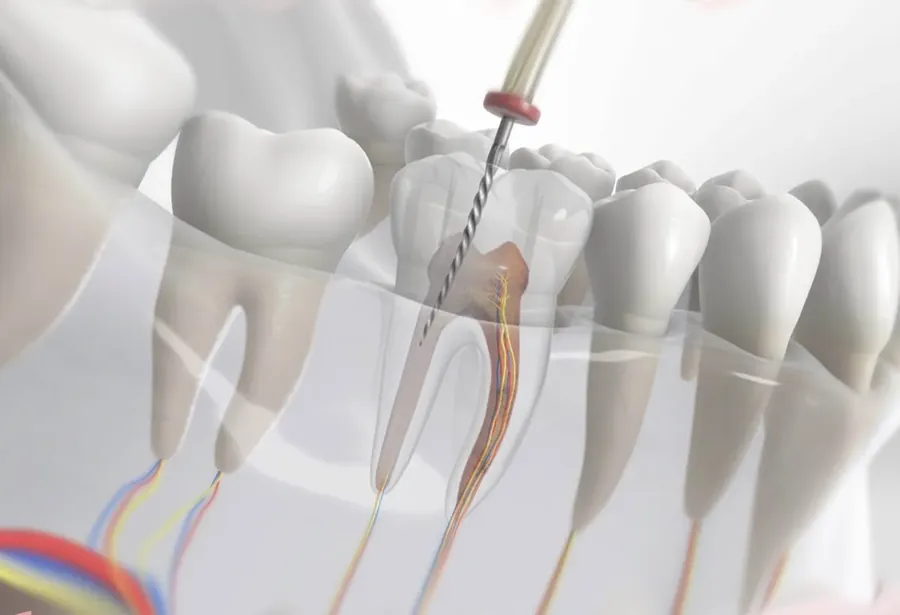
Inside every tooth there is a soft tissue called the pulp, which houses the blood vessels and nerves. If this tissue becomes inflamed or dies due to deep decay, a fracture or trauma, the inside of the tooth must be cleaned and filled. Root canal treatment (endodontics) does exactly this: it removes the inflamed tissue, disinfects the canals and seals them with a special filling material. In this way the tooth is saved rather than extracted.
Is root canal treatment painful?
This is the most frequently asked question. The short answer: the procedure itself is generally not painful. Root canal treatment is carried out under local anaesthesia; that is, the area is completely numbed during the procedure and the patient mostly feels nothing different from having a filling.
In fact, people's perception that “root canals are painful” comes from the period beforehand. The inflammation in a tooth that needs a root canal can cause severe pain before treatment begins. The treatment, however, removes the source of that pain. In other words, a root canal does not start pain — it ends it.
Is there pain after the procedure?
In the few days after treatment, mild tenderness in the tooth or discomfort when biting may be felt; this is normal and is usually controlled with simple painkillers, resolving quickly. If there is severe, increasing pain or swelling, you should contact your dentist.
When is root canal treatment needed?
The following symptoms may indicate the need for a root canal:
- Severe sensitivity to hot and cold that does not pass for a long time
- Throbbing pain that comes on its own, especially increasing at night
- Pain when biting or when pressure is applied to the tooth
- Swelling of the gum, an abscess or a change in the colour of the tooth
However, in some cases the inflammation can progress without symptoms and is only noticed on an X-ray. This is why regular check-ups are important. The final decision is made after an examination and imaging.
How does the process work?
Root canal treatment is usually completed in one or a few sessions. The tooth is numbed, the inflamed tissue is removed, the canals are shaped and disinfected, and then filled. The number of sessions can vary depending on the extent of the infection. After the procedure the tooth is usually strengthened with a filling or a crown, because teeth that have had a root canal can become more brittle over time.
How long does a root-canal-treated tooth last?
A properly treated tooth whose surface is suitably restored can be used for many years, just like a healthy tooth. Protecting it with a crown reduces the risk of fracture and extends its lifespan. Regular oral care and check-ups are the key to sustaining the success of the treatment.
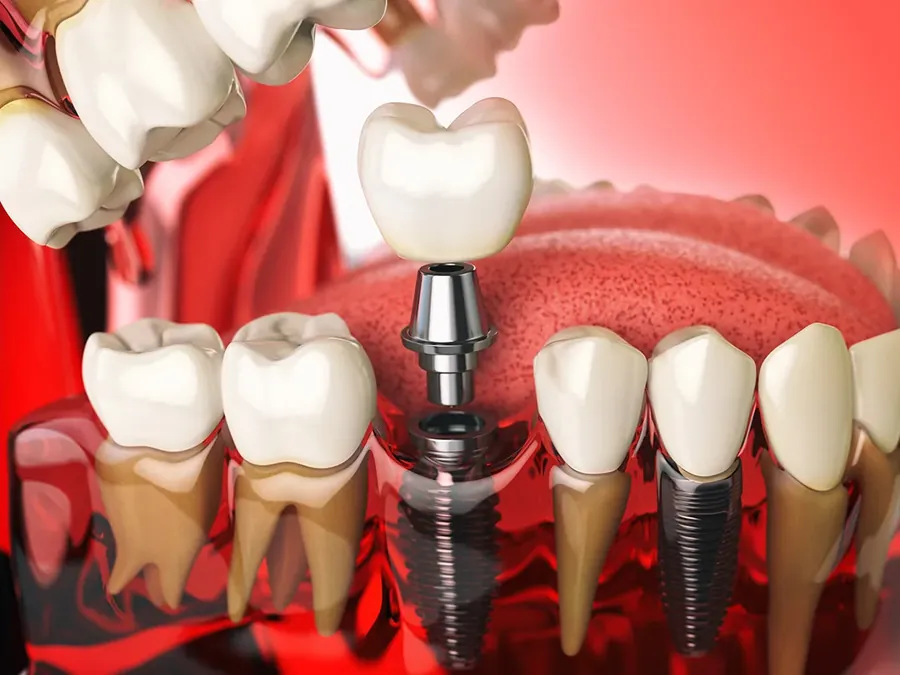
Saving your own tooth with a root canal is often a more preservative option than extraction and an implant. If you have pain or sensitivity in a tooth, it is important that it is evaluated without delay. You can learn about our root canal treatment service and get in touch with us for an initial examination.
Root canal or extraction?
For an inflamed tooth, the first solution that comes to mind is sometimes extraction; yet, when possible, saving the tooth is almost always better. Your own tooth is the most natural option in terms of chewing and aesthetics; filling the gap of an extracted tooth later requires an implant or a bridge, which is both a more extensive and a more costly process. A root canal keeps the tooth in place and removes this need. Of course, not every tooth can be saved; the remaining healthy tissue and the root structure of the tooth are the factors that determine the decision.
What are the risks of delaying treatment?
Delaying the treatment of a tooth that needs a root canal can allow the inflammation to spread to the root tip and the surrounding bone and lead to an abscess. At that point treatment becomes both more difficult and the chance of saving the tooth decreases. In addition, an infection in the mouth can also affect general health. That is why, even if the pain passes — because pain can stop for a while once the nerve dies — assuming the problem has resolved on its own is misleading; an evaluation is still necessary.
What to pay attention to after treatment
- Avoid chewing hard objects until the tooth is completed with a permanent filling or crown
- Use the recommended painkiller as instructed
- Maintain your oral hygiene; brush the treated tooth regularly too
- If a crown has been recommended, do not neglect it; it keeps the tooth from fracturing for a long time
Misconceptions about root canal treatment
The most common misconception is that root canal treatment is very painful; yet, as we have seen, the procedure ends pain. Another false belief is that a root-canal-treated tooth, being “dead,” will cause problems; a properly treated and restored tooth functions healthily for years. The “it'll be pulled anyway” approach also often leads to unnecessary tooth loss.
Frequently asked questions
How many sessions does it take?
Most cases are completed in one or a few sessions. The extent of the infection and the root structure of the tooth affect the number of sessions.
Will my tooth darken after treatment?
Root-canal-treated teeth can change colour over time. When needed, this can be corrected with internal bleaching or aesthetic restorations.
Can a root canal be done during pregnancy?
Apart from emergencies, planned procedures are usually scheduled for certain periods. Telling your dentist about your situation allows the most suitable timing to be planned.