The success of implant treatment is determined not only on the operating table but also in the healing and aftercare process that follows. A well-cared-for implant can be used trouble-free for many years. In this article we explain step by step what you need to pay attention to after an implant, from the first days to the long term.
The first 24 hours: the most critical period
The first day after the implant is placed is the most important period for protecting the blood clot and getting healing off to a healthy start. During this time:
- Applying a cold compress to the area in the first few hours reduces swelling
- Do not rinse your mouth vigorously for the first 24 hours, and avoid spitting and sucking
- Stay away from cigarettes and alcohol; both significantly delay healing
- Use the medications given by your dentist as recommended
Mild bleeding, swelling and bruising are normal in the first days. In the event of severe, non-stopping bleeding, increasing pain or a high fever, you should contact your clinic.
The first week: nutrition and hygiene
In the first days, eat soft, lukewarm foods: soup, purée, yoghurt, soft pasta and the like. Avoid very hot, hard, hard-shelled and spicy foods. Chew as much as possible on the opposite side to the operated area.
Do not interrupt your oral hygiene; but in the first days clean the operated area gently with a soft brush. If your dentist has recommended it, use the antiseptic mouthwash as instructed. A clean mouth supports integration by reducing the risk of infection.
Osseointegration: fusing with the bone
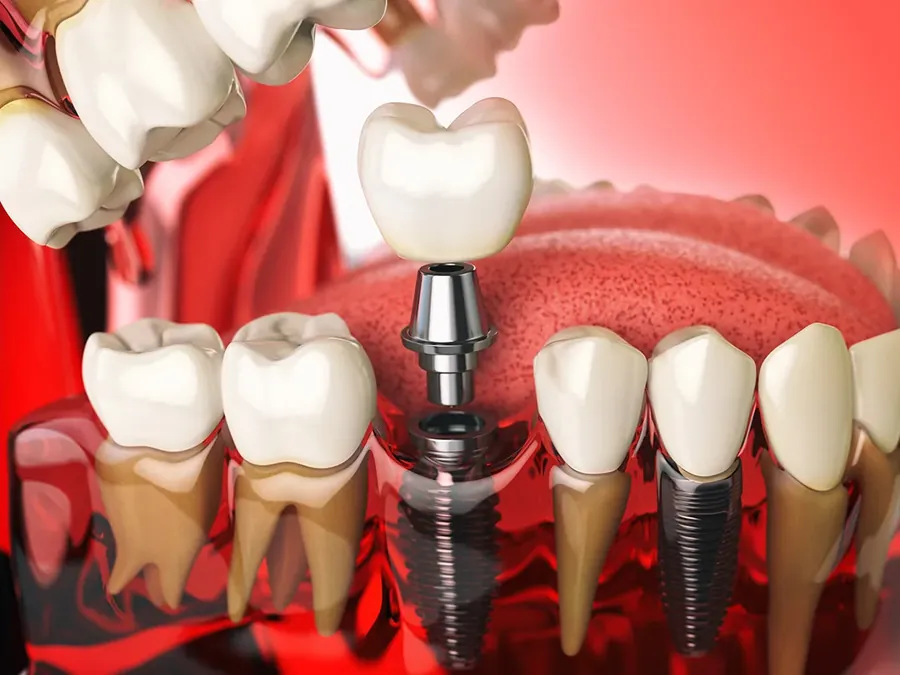
The long-term success of the implant depends on the titanium surface fusing with the jawbone (osseointegration). This process varies from person to person and jaw to jaw, but generally takes 3–6 months. During this period, preventing excessive load on the implant, attending regular check-ups and staying away from cigarettes have a positive effect on integration.
Once integration is complete, the superstructure (prosthesis or crown) is prepared and the implant reaches its full function.
Long-term care
An implant does not decay, but if the gum and bone around it are neglected, it can become inflamed (peri-implantitis). To prevent this:
- Brush at least twice a day with the correct technique
- Use a special interdental brush or a water flosser for around the implant and the interdental spaces
- Have a professional check-up and cleaning every 6 months
- If you have a teeth-grinding habit, tell your dentist; a night guard may be recommended
Factors that hinder healing
Smoking, uncontrolled diabetes, neglected oral hygiene and teeth grinding are the main factors that adversely affect the health of the tissues around the implant. When these factors are brought under control, the lifespan of the implant is significantly extended.
At Sirius Dental Clinic we offer a on our implant treatments and follow up with our patients, even remotely, during healing. You can learn about our implant treatment and contact us for a check-up appointment. For our patients coming from abroad, we provide detailed aftercare instructions for after their return.
What is peri-implantitis and how is it prevented?
Peri-implantitis is an inflammatory condition affecting the gum and bone around the implant, and if left untreated it can lead to implant loss. Its most important cause is inadequate oral hygiene and accumulated plaque; smoking and uncontrolled diabetes increase the risk. The good news is that this picture is largely preventable: regular and correct cleaning, professional check-ups and early diagnosis keep the area around the implant healthy. If you notice redness, bleeding or tenderness in the gum, see your dentist without delay.
Monitoring symptoms during healing
It is important to be able to distinguish normal healing from warning signs. You should contact your clinic in the following situations:
- Pain that does not subside within a few days and instead increases
- Noticeable bleeding that does not stop or that starts again
- Swelling that grows steadily, fever or a bad odour
- The implant moving noticeably
These symptoms may not always be a sign of a serious problem, but an early evaluation is always the safest course.
Nutrition recommendations at a glance
In the first days, cool-to-lukewarm and soft foods are recommended; in the following days, a gradual transition to normal eating. Until integration is complete, avoid biting hard objects with the operated area. Drinking plenty of water and eating a balanced diet support tissue repair.
Frequently asked questions
Can I smoke after an implant?
Smoking is one of the most important factors that disrupts integration by reducing blood flow around the implant. Quitting, at least throughout the healing period, directly improves the success of the treatment.
When can I brush my tooth normally?
In the first days the operated area is cleaned gently; at the end of the period stated by your dentist you can return to your normal brushing routine. Interrupting hygiene is as harmful as neglect.
Can I do sport?
Heavy exercise and activities such as swimming should be postponed in the first days. Consult your dentist about when you can safely return to sport.
Will I have to go around with a temporary prosthesis?
For single-tooth implants in the front region or in cases such as All-on-4/6, a temporary solution protects your aesthetics where suitable; you do not go around toothless. Once integration is complete, the permanent superstructure is prepared.
Habits that extend an implant's lifespan in the long term
Implant treatment is not a one-off procedure but an ongoing part of your health. Regular brushing and interdental cleaning, six-monthly check-ups, staying away from cigarettes and using a night guard if you grind your teeth are the most important habits for keeping the implant and the surrounding tissues healthy for decades. These simple routines are as decisive as the most advanced surgery.